
What is Everything DiSC
A self-assessment tool used by over a million people every year to improve teamwork, communication and productivity at work.
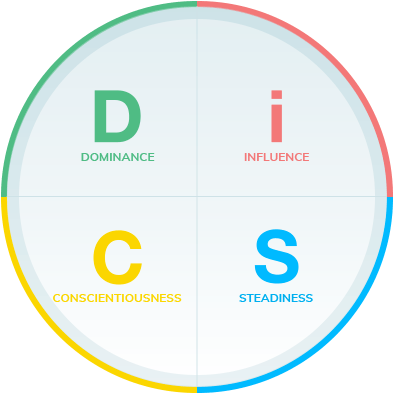
DiSC® helps you understand people better without judging or labelling them. Whether working individually or as a team, when you understand where differences come from, you can improve relationships at work. Human interaction is important — DiSC helps you strengthen it.
The challenge in interpersonal relationships
When we disagree or have different views on the same issue, we do not always understand why this misunderstanding arises. This can easily lead to a dispute or to an overly reserved attitude, which involves avoiding getting to the heart of the matter.
The solution for more productive relationships
The DiSC® model provides a common language that people can use to better understand themselves and those with whom they interact. Understanding where another person’s viewpoint comes from helps to reduce disagreements and misunderstandings, and to improve working relationships.
WHY USE DiSC?

Six practical benefits for more productive interpersonal relationships.
👥 Improving teamwork
In the modern workplace, everything hinges on teamwork. With DiSC, you’ll learn to communicate more effectively and understand the other members of your team.
🤝 Making disagreement productive
With DiSC, turn disagreement – or even conflict – into a positive and productive exercise that helps your team move forward and achieve the right results.
🧭 Increasing self-awareness
To learn effectively, you need to understand yourself. DiSC reveals how you react to disagreements, what motivates or stresses you, and how you solve problems when others see differently.
🎯 Managing effectively
Once a manager has a better understanding of their colleagues’ preferences and working styles, they can inspire and work more effectively with their peers, their team and others.
📈 Boost your sales skills
Use DiSC to improve your sales effectiveness. Understanding your customers’ preferences and adapting to them is essential for building rapport and reaching an agreement.
⚖️ Facilitate, don't judge
People don’t like being judged or singled out. With DiSC, the playing field is levelled by providing facilitators, trainers and coaches with non-judgemental information.
THE DiSC THEORY AND LEGACY
The DiSC® behavioural model was first proposed in 1928 by William Moulton Marston. He never developed a psychological assessment tool to measure his model: he wrote the theory behind the DiSC personality model, and the assessment was developed later by others — Walter Vernon Clarke, John Cleaver, John Geier, and, of course, Wiley, the publisher of Everything DiSC.
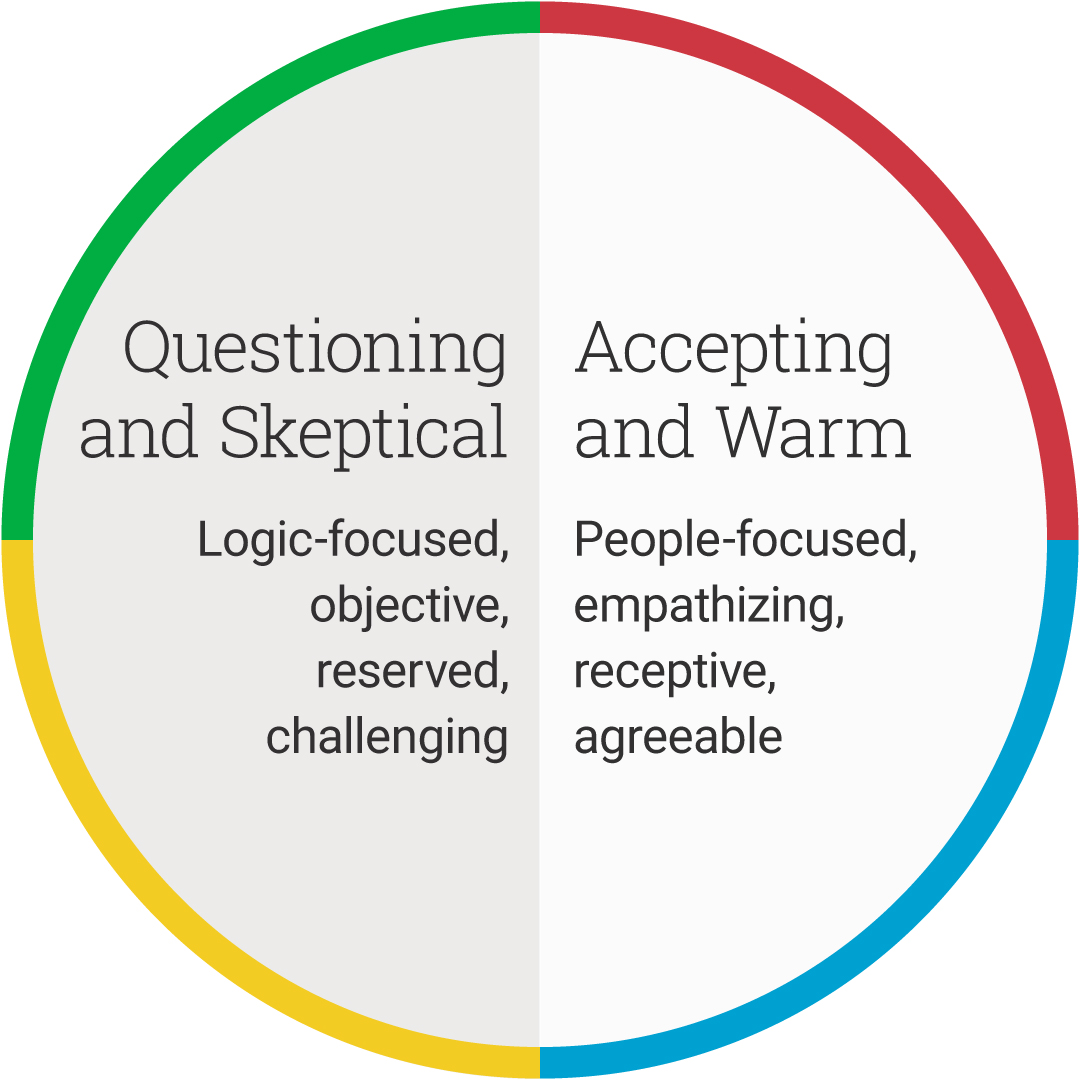
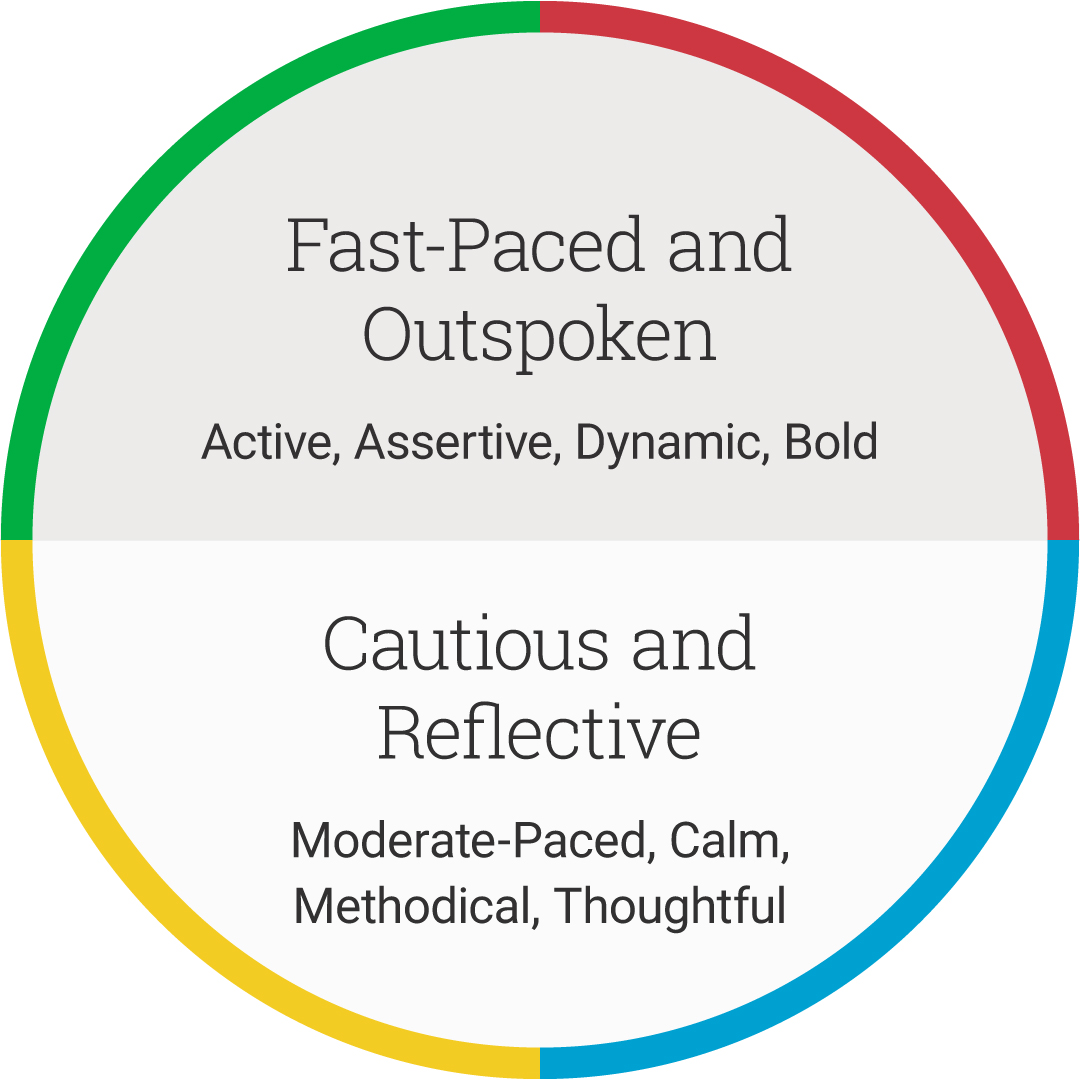
The current understanding of Wiley’s Everything DiSC incorporates some of Marston’s basic principles, as well as additions and changes brought about by advances in psychological measurement and theory.
WHY MEASURE HUMAN BEHAVIOUR?
Our working environment is changing at an unprecedented rate: automation, disruption and innovation make it difficult to keep up. Amidst this uncertainty, organisations must focus their full attention on their most valuable resource: people.
With Everything DiSC®, get to know your workforce better and strengthen your organisational culture.
“Participants were able to put what they had learnt into practice straight away and quickly improve their effectiveness. The managers who took part in this programme now have a better understanding of their role, more tools to help them perform effectively, and a greater impact on their work and their team.”

— S.G., Country Manager, H&M Hennes & Mauritz
